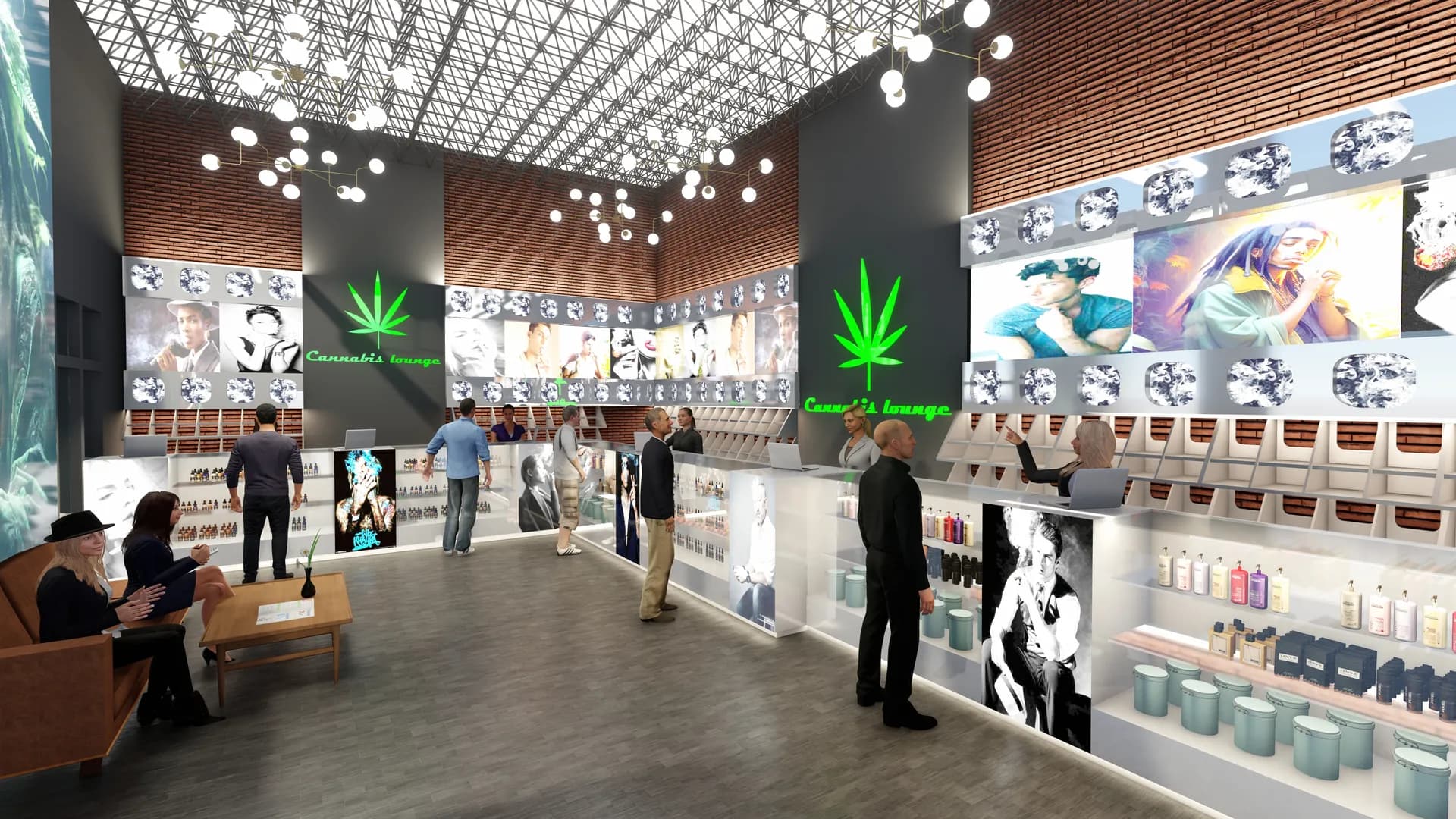
The interiors people love rarely shout. They resolve light, material, and flow into something that simply feels right to be in - and keeps feeling that way years after the trends that surrounded them have passed.
Before finishes, we design how a person moves through a space: where they pause, what they see first, how one room releases into the next. When the flow is right, a home feels larger and calmer than its floor area suggests.
We build interiors from a tight material palette rather than a collection of decorative gestures. A few honest materials, repeated with discipline, read as considered and age far better than a room styled to a moment.
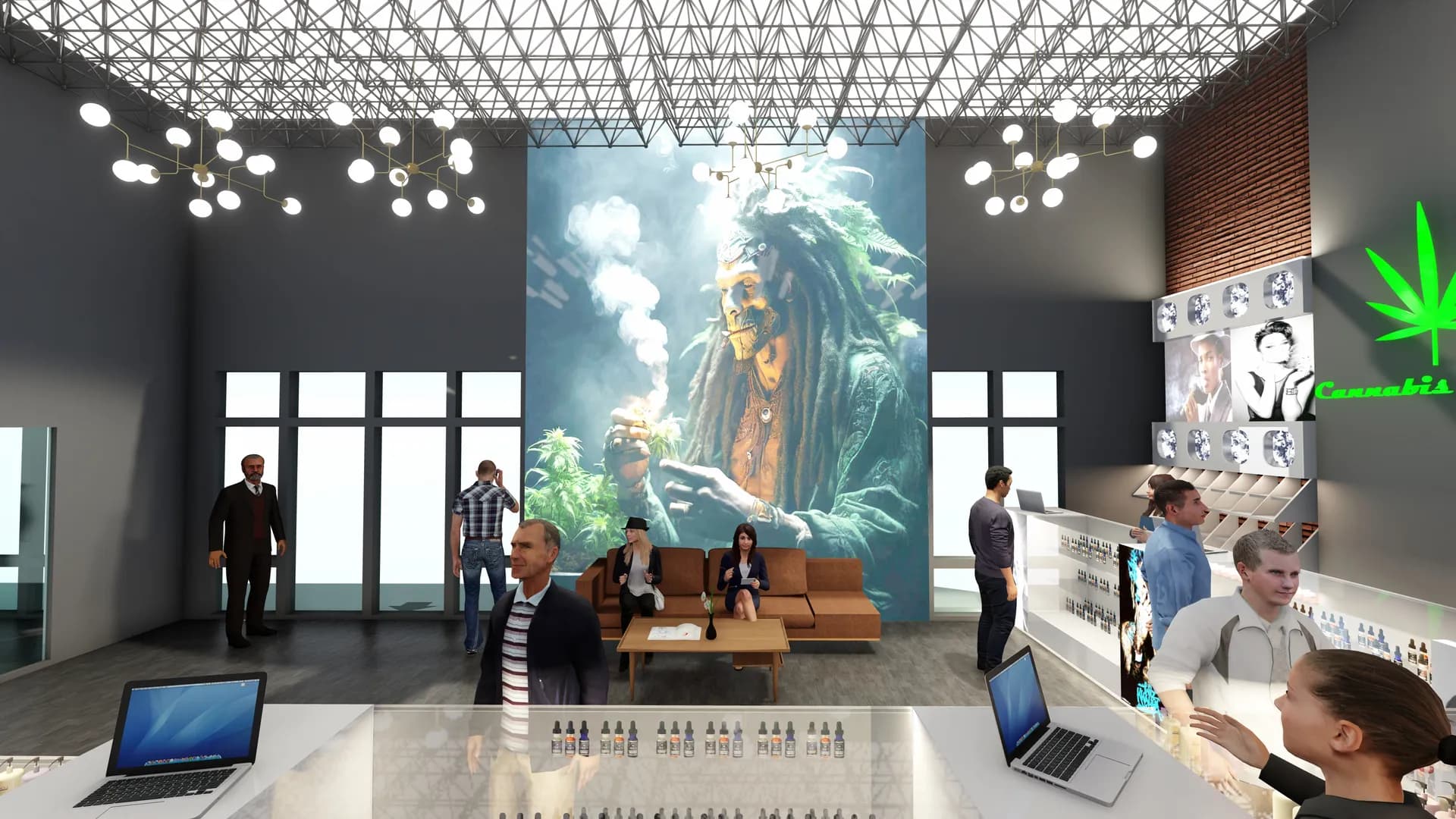
Great interior lighting is layered - daylight, ambient, task, and accent - and mostly invisible. We design the lighting with the architecture so the fittings disappear and only the effect remains.
The comfort of a good interior comes from details most people never consciously see: the height of a sill, the reveal around a door, the warmth of a handle. We resolve them so the space feels effortless - which is the hardest effect to achieve.
Light is one of the most powerful elements in interior design. We consider how daylight enters a room, changes throughout the day, and interacts with surfaces, colors, and textures. Artificial lighting is layered through ambient, task, and accent illumination to support different activities and moods. Integrated with the architecture, lighting should feel intuitive and understated—allowing the atmosphere it creates to take center stage rather than the fixtures themselves.
The quality of an interior often lives in details people may never consciously notice. The reveal around a door, the alignment of cabinetry, the transition between flooring materials, or the warmth of a handle can distinguish a carefully resolved space from an ordinary one. We approach these details as an integral part of the design process, coordinating materials, dimensions, and construction elements so that every component feels intentional and the whole feels cohesive.